

The Real Price of Fast Fashion: What Your Cheap Clothes Are Costing the Planet
The Shirt That Cost the River
The fast fashion environmental impact begins long before a garment reaches your hands. There is a river in Bangladesh called the Buriganga. A few decades ago it was a lifeline: people fished in it, children swam in it, families drew drinking water from it. Today it is black, smells of chemicals, and nothing lives in it. One of the biggest reasons is the clothing industry producing cheap garments for fast fashion brands sold across the world. That 299 rupee top you bought last month has a longer story than its price tag suggests.
How Fast Fashion Works
Fast fashion is a production model built on one principle: make it cheap, make it fast, make it disposable. Brands release dozens of collections per year by outsourcing to countries with low wages and weak environmental oversight, using synthetic fabrics made from petroleum, and pricing items so low that replacing feels easier than repairing. As a result, brands price items so low that replacing feels easier than repairing.
Numbers That Should Disturb You
The fast fashion environmental impact shows up in every statistic below.
- Fashion contributes roughly 10 percent of global annual carbon emissions
- Making one pair of jeans requires approximately 7,500 litres of water
- Around 85 percent of all textiles end up in landfill or are burned each year
- Washing synthetic clothes releases 500,000 tonnes of plastic microfibres into the ocean annually
- Less than one percent of clothing is currently recycled into new garments
Where Fast Fashion Environmental Damage Happens
The fast fashion environmental impact on natural resources is most visible in three areas.
How Fast Fashion’s Environmental Impact Starts With Water
Cotton farming is one of the thirstiest agricultural processes on earth. Furthermore, dyeing and treating fabric adds another layer. Consequently, communities near these factories face the highest rates of certain cancers and skin conditions.
Fast Fashion’s Environmental Impact on Plastic Pollution
In addition, every wash of a synthetic garment sheds thousands of microscopic plastic fibres. As a result, microfibres have been found in Arctic snow, in human lungs, and even in the placentas of unborn babies.
The Waste Crisis: Fast Fashion’s Environmental Impact on Landfills
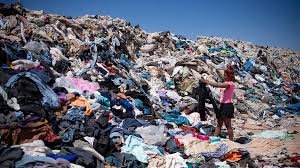
For example, in Chile’s Atacama Desert there are literal mountains of discarded clothing visible from space. Moreover, around 40 percent of garments arriving in Ghana are unsellable and go straight to landfill.
The Human Cost of Fast Fashion’s Environmental Impact
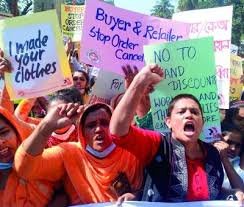
- 75 million people work in garment manufacturing globally, most of them women
- Average wages in major producing countries fall far below a living wage
- The 2013 Rana Plaza collapse in Bangladesh killed 1,134 garment workers
- Child labour remains embedded in cotton supply chains across multiple countries
How to Reduce Your Fast Fashion Environmental Footprint
Buy Less, Buy Better
Before purchasing, ask honestly whether you will wear this item 30 times. When you do buy, prioritise quality over price. A garment that costs three times more but lasts ten times longer is always the better deal.
Explore Second-Hand First
Platforms like Vinted and Depop have made it easy to find quality garments at low prices with zero new production footprint. Local thrift shops offer the same benefit with more originality.
Take Care of What You Own
Wash less frequently, at lower temperatures, with a microfibre-catching laundry bag. Learn to repair small damage before it becomes a reason to discard. The most sustainable garment is already in your wardrobe.
Conclusion
Ultimately, fast fashion externalises its true costs onto people and places with the least power to resist. In short, every purchase decision is a small vote for the kind of industry you want to exist. Cast it deliberately.
One Thing You Can Do Today
Before your next clothing purchase, wait 48 hours. Ask whether you really want it or whether the algorithm just made it look good. That pause is where conscious consumption begins.